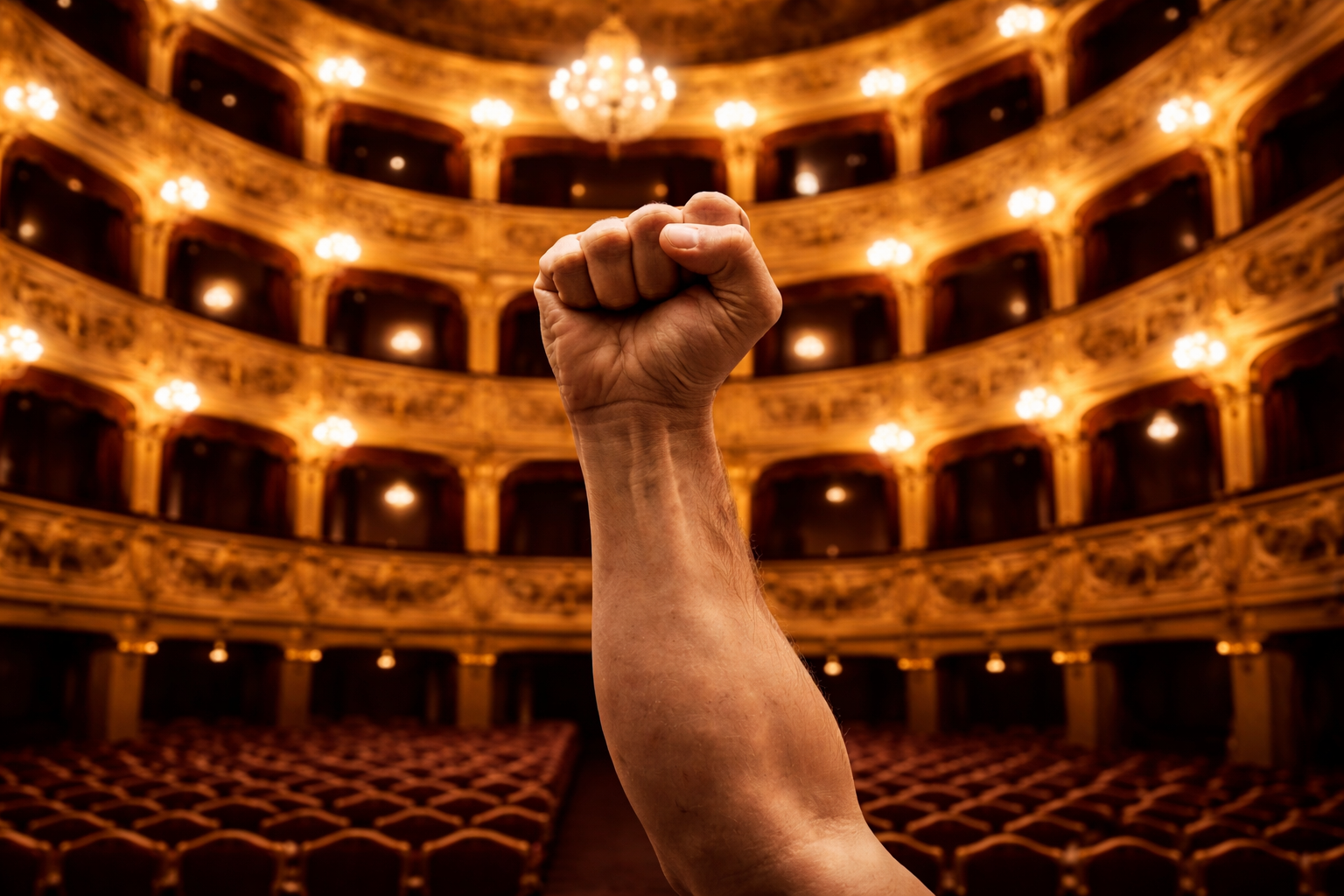
Subversive theatre refers to a form of performance that challenges and subverts dominant cultural, political, and social norms. It is a way for artists to express their dissent and critique of the status quo, and to encourage their audiences to think critically about the world around them. In a free and democratic society, the importance of subversive theatre lies in its ability to challenge authority, stimulate social and political change, and promote free expression.
One of the key functions of subversive theatre is to challenge authority. Throughout history, theatre has often been used as a way to critique and resist oppressive regimes and ideologies. For example, during the Soviet era, many Eastern European playwrights used their work to criticize the communist government and its policies. In more recent times, theatre has been used to challenge government censorship, as well as to expose corruption and injustice. In a free and democratic society, it is crucial that individuals and groups have the freedom to express their opinions and critique those in power, and subversive theatre provides an important platform for doing so.
In addition to challenging authority, subversive theatre can also stimulate social and political change. By presenting alternative viewpoints and challenging the status quo, theatre can encourage its audiences to think critically about the world around them and to consider the possibility of change. This can be particularly powerful in societies where certain ideas or beliefs are deeply entrenched, as theatre can provide a safe space for exploring alternative perspectives. For example, during the Civil Rights Movement in the United States, theatre was used as a way to raise awareness about issues of race and discrimination, and to inspire activism and social change.
Finally, the importance of subversive theatre in a free and democratic society lies in its ability to promote free expression. In a society where everyone is free to express themselves, it is important that all voices are heard, regardless of their popularity or mainstream appeal. Subversive theatre provides a space for marginalized or underrepresented voices to be heard, and can help to give a platform to those who may not otherwise have one. By allowing a wide range of voices and perspectives to be expressed, theatre can foster a sense of community and promote understanding and tolerance among different groups.
In conclusion, the importance of subversive theatre in a free and democratic society cannot be overstated. It challenges authority, stimulates social and political change, and promotes free expression, making it an essential component of any healthy and vibrant democracy.